Managing weed growth is a critical aspect of successful vegetable and fruit farming. Effective weed control not only improves crop yields but also reduces labor and chemical inputs, aligning with sustainable and organic farming principles. Selecting the appropriate weed mat for vegetable farms or weed control mat for fruit farms can significantly enhance farm productivity while protecting soil health.
Importance of Weed Mats in Farming
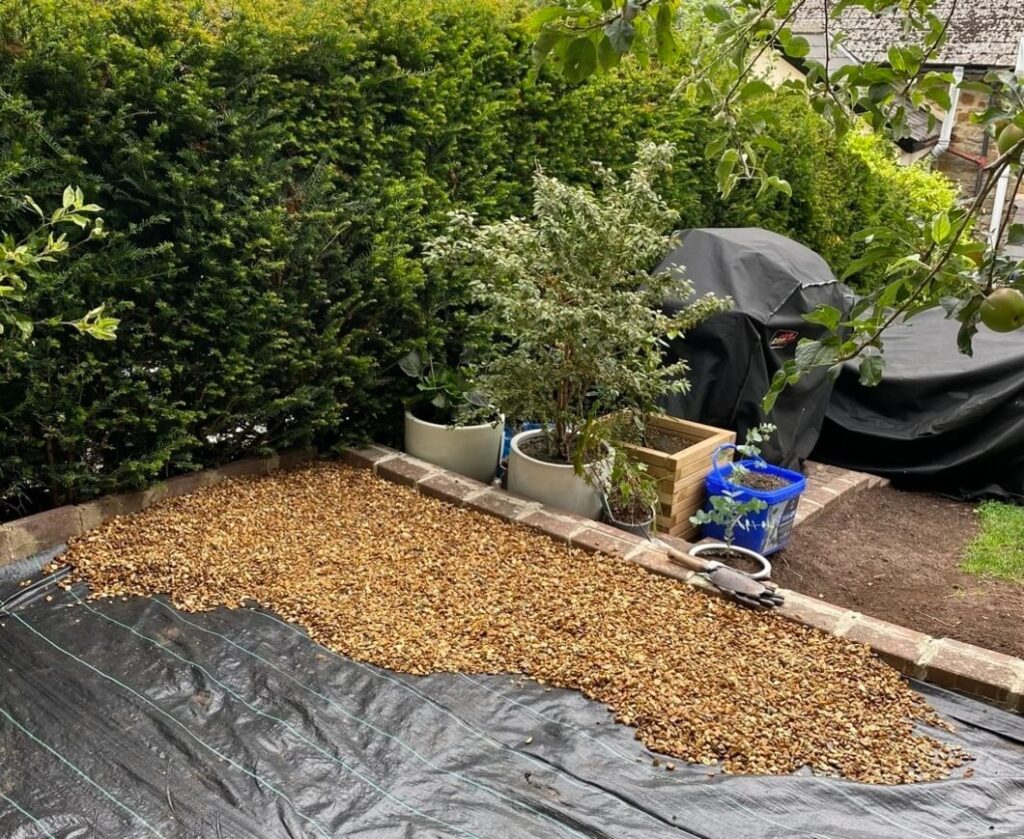
Weed mats serve as physical barriers that suppress unwanted vegetation by blocking sunlight, reducing weed seed germination, and minimizing soil disturbance. This helps maintain moisture levels, prevent erosion, and reduce reliance on herbicides.
Key benefits include:
- Reduced manual weeding efforts
- Improved crop growth due to less competition
- Enhanced soil moisture retention
- Support for no-till farming practices
Understanding the various types of weed mats available can help farmers find the best solution tailored to their specific crops and environmental conditions.
Factors to Consider When Choosing a Weed Mat

Selecting the best weed mat for crops depends on multiple farm-specific variables:
Crop Type and Farming Method
- Vegetables often benefit from thinner, flexible mats like woven polypropylene that allow easy planting through slits.
- Fruit orchards may require thicker weed barrier for fruit trees to withstand tractor traffic and long-term use.
- No-till systems demand weed control mats for no-till farming that integrate well with minimal soil disruption.
Durability Requirements
Durable materials resist tearing during installation and withstand weather elements:
- For high traffic areas or perennial crops, select durable weed mats for farm crops.
- Ensure UV resistance to prevent degradation in sunny climates.
Environmental Impact
Sustainability-focused farmers prioritize:
- Biodegradable options supporting weed mats for sustainable farming goals.
- Avoiding plastic waste accumulation by selecting compostable fabrics.
Installation Ease
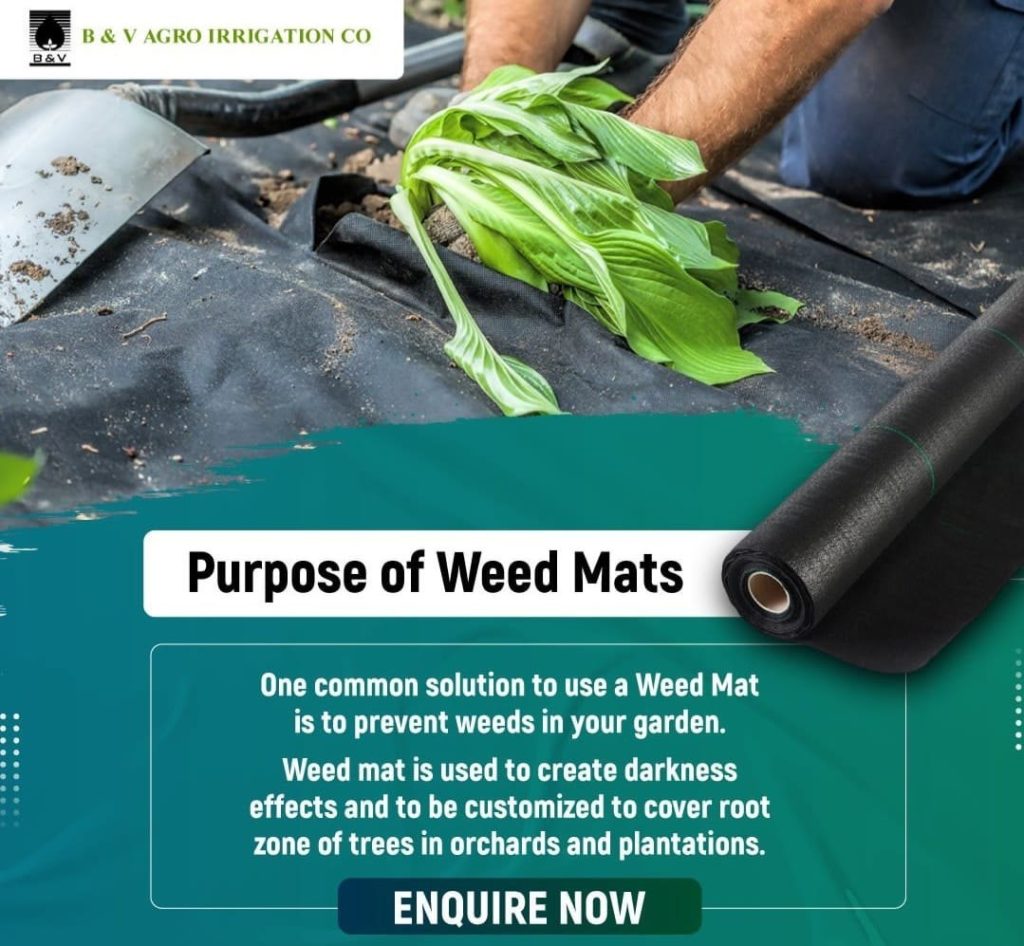
Proper placement enhances effectiveness:
- Learn how to install weed mats for fruit farms by securing edges with landscape staples.
- Cut holes precisely around plant stems to minimize gaps where weeds can emerge.
Practical Tips on Installation and Maintenance
Installing a garden weed mat for farms correctly maximizes its lifespan:
- Prepare the soil by clearing existing weeds and leveling the surface.
- Roll out the mat tightly without wrinkles; overlap edges by at least 10 cm.
- Use pins or staples every meter along edges and seams.
- Cut planting holes just large enough to avoid excess exposed soil.
- Mulch over the mat if desired to improve aesthetics and temperature regulation.
Routine checks help detect tears or displaced sections early, ensuring continuous weed suppression throughout the season.
Farmers aiming to optimize their vegetable gardens or fruit orchards must evaluate available options carefully. The ideal weed prevention mat for crops offers a balance between strength and sustainability while addressing specific crop requirements. Regular maintenance coupled with proper installation ensures maximum benefits from agricultural weed control mats.
By prioritizing factors such as material type, UV resistance, biodegradability, and compatibility with farming methods like no-till practices, growers can effectively reduce weed pressures without compromising their commitment to eco-friendly agriculture. Choosing the right garden weed mat ultimately supports healthier plants, higher yields, and long-term farm viability.
Explore trusted suppliers offering a range of quality weed control solutions tailored specifically for vegetable farms, fruit orchards, organic operations, and sustainable farming ventures.