Birds can devastate your harvest. Every year, farmers lose significant portions of their crops to avian feeding, with some operations reporting losses of up to 30% in vulnerable fruits and vegetables. You’ve likely experienced the frustration of watching birds peck through ripening berries, grapes, or cherries—undoing months of careful cultivation in mere days.Monofilament nets have emerged as one of the most reliable bird control solutions in modern agriculture. These specialized nets create a physical barrier between your crops and hungry birds, offering protection without harming the environment or the birds themselves. Farms worldwide have adopted this technology, from small organic operations to large-scale commercial vineyards.
The advantages extend beyond simple bird exclusion. When you install monofilament nets on your farm, you’ll notice:
- Increased crop yields through reduced bird damage
- Lower pesticide requirements due to integrated pest management
- Improved fruit quality with fewer blemishes and pecking marks
- Long-term cost savings from reusable, durable materials
This investment protects your livelihood while supporting sustainable farming practices.
Understanding Monofilament Nets
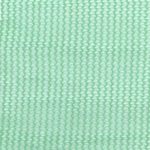
Monofilament Nets: These specialized agricultural barriers consist of single, continuous strands woven into a mesh pattern. The material of choice for these nets is high-density polyethylene (HDPE), a thermoplastic polymer known for its exceptional performance in outdoor applications.
HDPE nets possess distinct physical characteristics that make them ideal for farm environments:
- Tensile Strength: The molecular structure of HDPE provides remarkable resistance to tearing and stretching under stress. You can expect these nets to withstand strong winds, the weight of accumulated debris, and the occasional impact from farm equipment without compromising their integrity.
- UV Resistance: HDPE material contains stabilizers that protect against ultraviolet radiation degradation. This property prevents the nets from becoming brittle or losing their structural integrity when exposed to constant sunlight—a critical feature for equipment that remains outdoors year-round.
- Lightweight Construction: Despite their strength, monofilament nets maintain a low weight profile, simplifying installation and reducing strain on support structures.
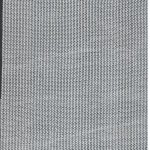
The combination of these properties translates directly into practical advantages for your farming operation. The tensile strength means you won’t need frequent replacements due to weather damage. UV resistance ensures the nets maintain their protective capabilities for 5-7 years, delivering consistent bird control throughout multiple growing seasons. The lightweight nature allows you to cover large areas without investing in heavy-duty support systems, reducing both installation costs and labor requirements.
Applications of Monofilament Nets in Farming
Bird Control
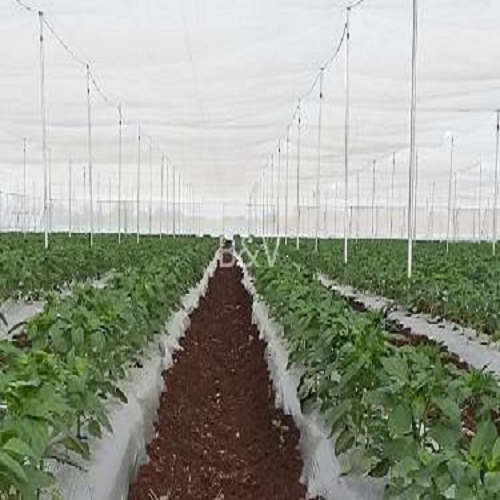
Bird control nets serve as the primary use for monofilament netting systems in farming. These nets are widely used in vineyards, orchards, berry farms, and vegetable production facilities where birds pose a threat to profitability. Birds targeting ripening fruits—such as cherries, grapes, blueberries, and strawberries—can destroy entire harvests within days. Monofilament nets create a physical barrier that keeps birds away from crops while allowing the plants to receive the necessary environmental conditions for growth.
Crop Protection
The crop protection benefits of monofilament nets go beyond just keeping birds out. These nets also control the amount of sunlight that reaches the plants, providing shade levels between 30% and 75% depending on the mesh density. By choosing specific shade percentages based on your crop’s light requirements, you can protect sensitive plants from overheating while still ensuring proper photosynthesis. Additionally, the netting material filters heavy rainfall and offers protection against hail, preventing damage to fruits and leaves during severe weather events.
Pest Control
Another valuable use for monofilament nets is pest control. The mesh design of these nets blocks larger insects and flying pests from accessing your plants, reducing the need for chemical pest control methods. When properly installed, monofilament systems can lead to lower pest populations as the nets disrupt pest movement patterns and breeding cycles. This approach provides multiple layers of protection against various agricultural challenges, making monofilament nets a smart investment for modern farming operations looking for effective ways to safeguard their crops.
Conclusion
Monofilament nets represent a highly effective, sustainable, and multifunctional solution for bird control and overall crop protection in modern farming. Their unique physical properties—such as high tensile strength, UV resistance, and lightweight design—make them durable and practical for long-term use across diverse agricultural environments. By selecting the appropriate mesh size and following best installation and maintenance practices, farmers can maximize the benefits of these nets, including increased crop yields, reduced pesticide dependency, improved fruit quality, and enhanced microclimate regulation.
Beyond simply deterring birds, monofilament nets contribute to broader environmental sustainability goals by reducing chemical inputs and minimizing plastic waste through reusability. Real-world case studies demonstrate significant reductions in crop losses and labor costs when these nets are integrated into comprehensive farm management strategies.