Insect mesh has become an essential tool in modern agriculture, helping farmers protect crops while reducing reliance on chemical pesticides. Made from finely woven netting, insect mesh acts as a physical barrier that keeps harmful insects out while still allowing air, light, and water to pass through. Its versatility makes it suitable for many agricultural applications, from small farms to large commercial operations.
Protection from Insect Pests
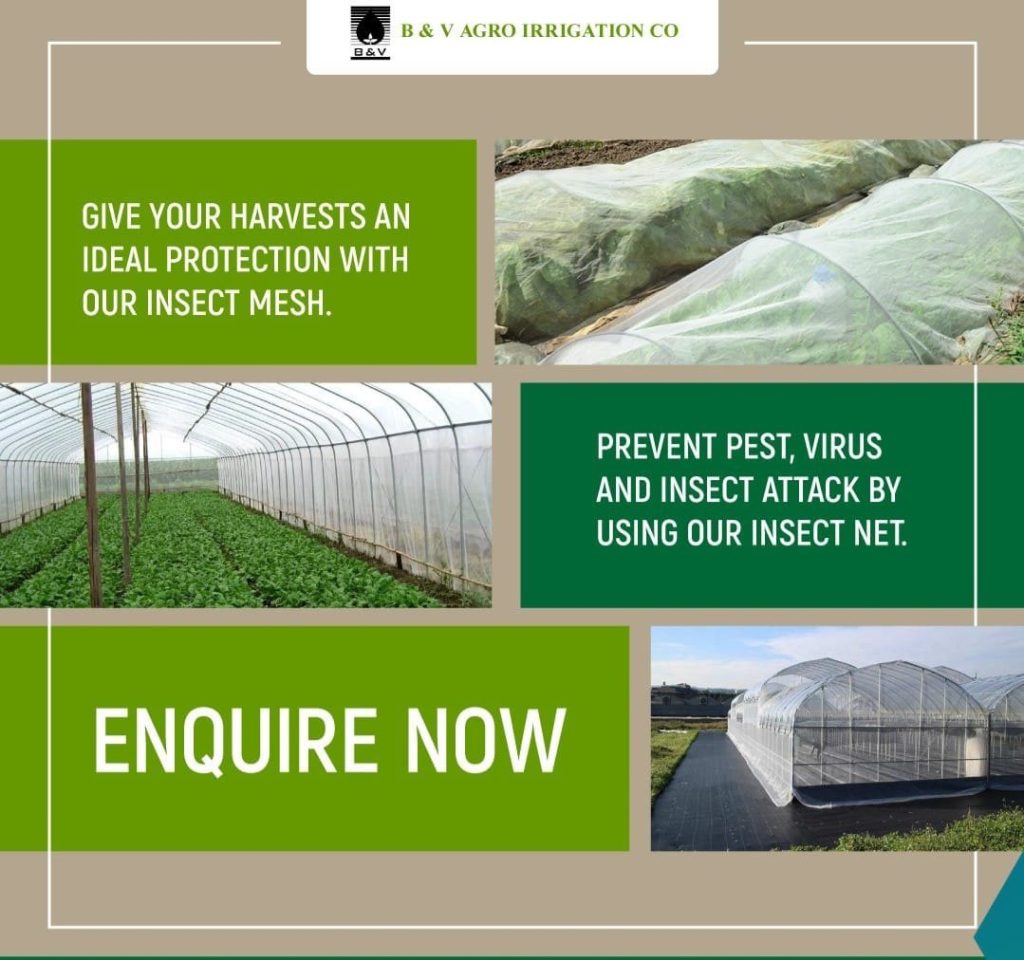
One of the main uses of insect mesh is to protect crops from harmful insects such as aphids, whiteflies, caterpillars, and beetles. These insects damage plants by feeding on leaves, stems, and fruits. Insect mesh creates a physical barrier that prevents pests from reaching the crops and causing damage.
Reduction in Chemical Pesticide Use
Insect mesh helps farmers reduce their dependence on chemical pesticides. Since insects cannot reach the plants, there is less need for frequent spraying. This makes farming more environmentally friendly and produces safer food for consumers.
Prevention of Plant Diseases
Many plant diseases are spread by insects. Insect mesh helps reduce the spread of these diseases by blocking insects before they come into contact with plants. This helps maintain healthy crops and prevents large-scale losses.
Use in Greenhouses and Net Houses
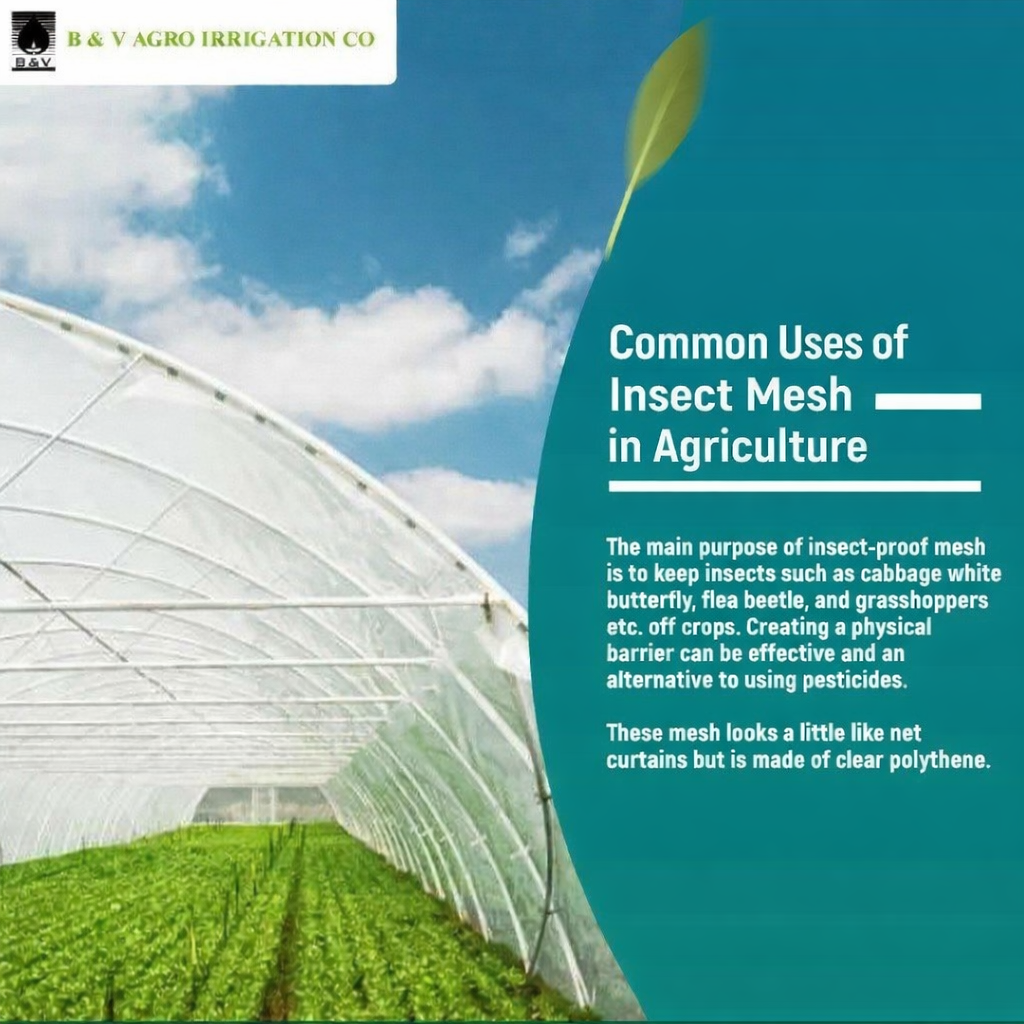
In greenhouses and net houses, insect mesh is installed on windows, doors, and ventilation openings. It allows fresh air to circulate while keeping insects out. This helps maintain a controlled growing environment and supports better plant growth.
Protection of Seedlings and Nursery Plants
Young plants and seedlings are more vulnerable to insect attacks. Insect mesh is commonly used in nurseries to protect seedlings during early growth stages. This improves plant survival and ensures stronger growth after transplantation.
Improvement in Crop Quality and Yield

Crops grown under insect mesh are usually healthier and of better quality. The mesh prevents physical damage to leaves and fruits, resulting in cleaner and more uniform produce. This improves market value and overall yield.
Support for Sustainable Farming
Insect mesh supports sustainable agricultural practices by reducing chemical use and protecting the environment. It helps farmers manage pests in a safe and effective way while maintaining soil and crop health.
Conclusion
Insect mesh is a practical and effective tool in agriculture. Its use helps protect crops, reduce pest damage, and improve crop quality. As farmers continue to adopt sustainable methods, insect mesh remains an important solution for modern farming.